

Choosing the right swimwear fabric can make or break your beach day. The best materials are soft, quick-drying, and breathable, ensuring you stay comfortable whether you're swimming, lounging, or playing beach volleyball. Here's a quick summary of the top swimwear fabrics:
- MicroTan®: A tan-through fabric that dries 7x faster and offers UV protection (SPF 8–15). Ideal for reducing tan lines and staying cool.
- Polyester Blends: Durable and resistant to chlorine and saltwater but slower to dry and less breathable.
- Nylon: Lightweight and smooth but prone to UV and chlorine damage over time.
- Spandex/Lycra: Extremely stretchy and quick-drying but sensitive to chemicals and sunlight.
Each fabric has strengths and weaknesses. For tanning and fast drying, MicroTan® is a standout. For frequent swimming, polyester blends are reliable. Casual swimmers may prefer nylon, while active water sports enthusiasts will benefit from spandex blends. Choose based on your needs for the perfect swimwear experience.
What Is The Best Fabric For A Swimsuit? - Water Sports Haven
1. MicroTan® Fabric by BetterTan
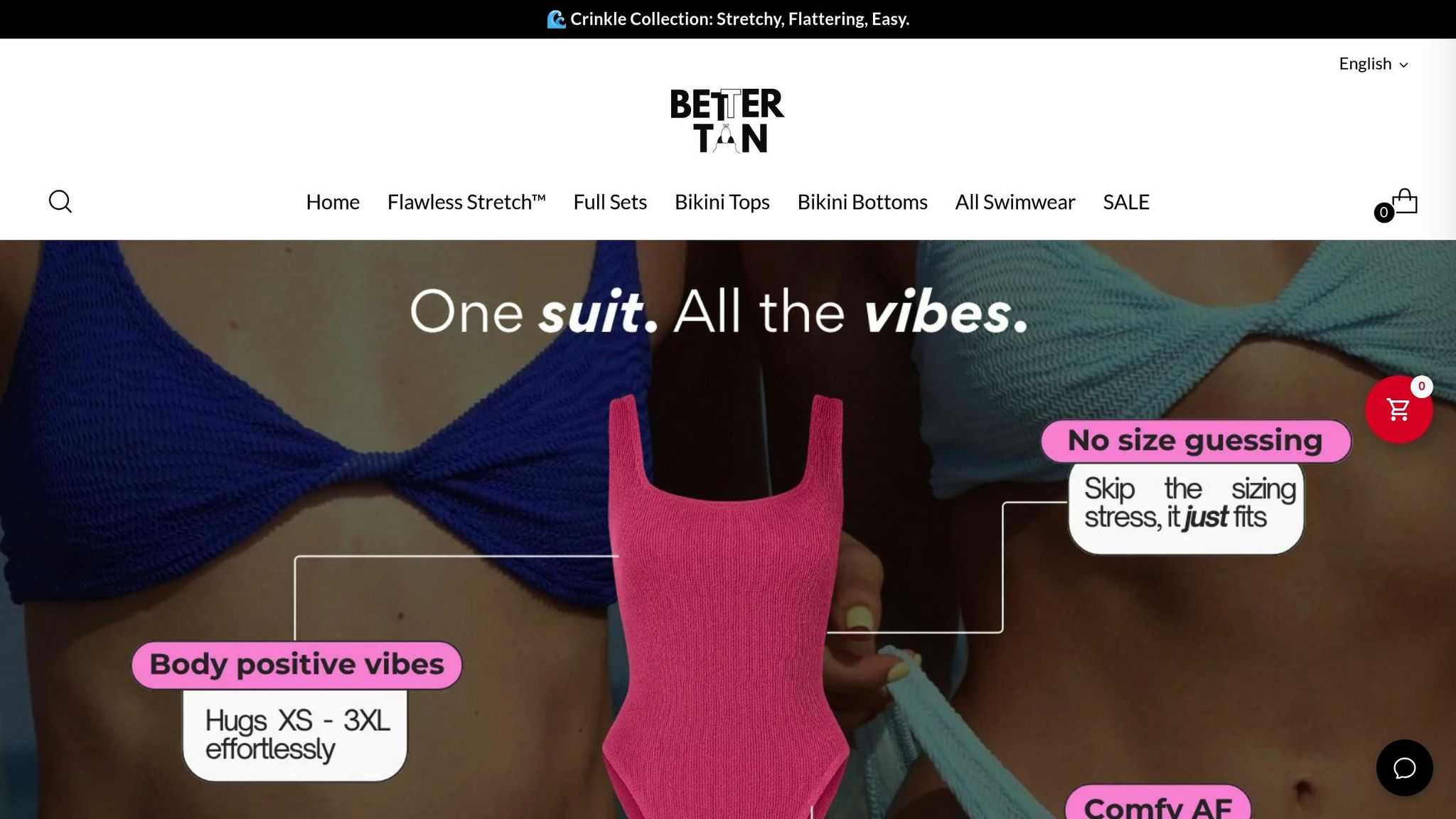
BetterTan's MicroTan® fabric takes swimwear comfort to a whole new level. Designed with thousands of tiny micro-perforations, it lets sunlight pass through for a gradual tan while still providing full coverage.
Made from a blend of 85% polyamide and 15% elastane, this fabric combines softness, stretch, and durability, ensuring it moves seamlessly with your body while maintaining its shape over time.
Let’s dive into why MicroTan® stands out with its softness, quick-drying ability, breathability, and UV protection.
Softness
Comfort is key, and MicroTan® delivers. The polyamide-elastane blend creates a smooth, soft texture that feels great against the skin. Whether you're splashing in the waves or lounging on the sand, the fabric minimizes irritation and chafing, making it perfect for long, active beach days.
Unlike some swimwear that can feel stiff or scratchy, MicroTan® is designed to stay flexible and supple, moving effortlessly with your body for all-day ease.
Quick-Drying Performance
One of the standout features of MicroTan® is its ability to dry up to 7 times faster than traditional swimwear. Thanks to its enhanced air circulation, you won't have to deal with that damp, uncomfortable feeling after a swim. Instead, you can stay dry and comfortable, even during long days by the water.
Breathability
The micro-perforations in the fabric aren't just for tanning; they also improve airflow. This means less heat and moisture buildup, keeping you cool whether you're playing beach volleyball, strolling along the shore, or relaxing by the pool. The increased air circulation helps your body naturally regulate its temperature, even during extended wear.
UV Protection
MicroTan® provides UV protection similar to SPF 8–15. It allows UVA rays to help you tan while blocking most UVB rays, offering a balance of protection and tanning benefits. Independent testing, based on AS/NZS 4399 standards, confirms this performance.
It’s worth noting that double-lined areas, like straps and elastic sections, allow less sunlight through, which might result in slight tan lines. To achieve a more even tan, try repositioning straps occasionally while in the sun.
2. Polyester Blends
Building on BetterTan's cutting-edge MicroTan® technology, polyester blends continue to be a dependable choice for all-day swimwear comfort. Over time, polyester blends have seen major advancements. Today’s polyester is softer and offers a pleasant feel for long periods of wear, though it still doesn’t match the plushness of nylon.
3. Nylon
Nylon stands out as a go-to material for swimwear, thanks to its blend of toughness and comfort - perfect for long beach outings or poolside lounging.
Softness
The smooth, silky texture of nylon feels gentle on the skin, even after hours of wear. It’s also easy to slip on and off, whether dry or wet, making it a practical choice for swimwear.
Quick-Drying Performance
While nylon doesn’t dry as fast as some modern quick-dry fabrics, it still beats cotton and heavier blends. After a swim, it might stay a little damp but dries naturally with time - ideal for relaxed days at the beach when you’re not in a rush.
Breathability
Nylon allows for decent airflow, helping to keep you comfortable as you wear it. However, the level of breathability depends on the tightness of the weave. Tighter weaves make the fabric more durable but can slightly reduce ventilation.
UV Protection
Dry nylon typically offers modest sun protection, with UPF ratings ranging from 15 to 20. However, its effectiveness drops when wet, as stretched fibers let more UV rays through. To stay protected during extended sun exposure, don’t forget to apply sunscreen to areas not covered by the fabric.
These features make nylon a reliable and versatile choice for swimwear, offering a balance of comfort, performance, and practicality.
sbb-itb-d2baa00
4. Spandex/Lycra
Spandex, also called Elastane or Lycra, is a synthetic fiber that stands out in swimwear due to its incredible stretch and fast-drying abilities. Its unique property of stretching extensively while snapping back to its original shape makes it essential for swimwear designed to handle active water use. These qualities ensure swimwear remains snug and functional, even during intense activities.
Quick-Drying and Stretch Capabilities
Spandex is not only highly stretchable but also dries quickly, making it a go-to material for performance swimwear. It can stretch up to 500–610% of its original length without tearing and instantly return to its initial shape. When combined with other quick-dry fibers, its ability to repel water becomes even more effective.
"Elastane fibres can be stretched about 500–610 percent beyond their original length without breaking and quickly return to their original length and shape. Elastane is lightweight and cool; it's also resistant to deterioration from body acids; and it is easily cleaned and quick-drying."
This combination of extreme elasticity and efficient moisture management makes spandex a top choice for swimwear that needs to perform under demanding conditions.
Fabric Comparison: Pros and Cons
Choosing the right swimwear fabric often comes down to weighing its strengths and weaknesses. Each material offers unique advantages, but some trade-offs can influence how well it performs for your needs.
MicroTan® fabric is a standout option for its tan-through design and fast-drying capabilities. It’s perfect for reducing tan lines and staying comfortable during long wear. However, its advanced technology comes at a higher price and requires extra care compared to standard fabrics.
Polyester blends are known for their durability and resistance to fading caused by chlorine and saltwater. These fabrics hold their shape well, making them a great choice for frequent swimmers. On the downside, they take longer to dry and may not be as breathable as newer synthetics.
Nylon provides a lightweight and smooth feel with decent stretch. While comfortable, it’s less resistant to chlorine and UV exposure, which can lead to fading and wear over time.
Spandex/Lycra shines in flexibility and shape retention, offering excellent stretch that supports a full range of motion. When blended with other materials, it dries faster, but pure spandex is more vulnerable to pool chemicals and sunlight, which can shorten its lifespan.
Here’s a quick breakdown of these fabrics and their best uses:
| Fabric Type | Key Strengths | Main Weaknesses | Best For |
|---|---|---|---|
| MicroTan® | Tan-through, fast-drying, great for UV exposure | Higher cost, needs special care | Tanning and quick-dry needs |
| Polyester Blends | Durable, colorfast, chlorine resistant | Slower drying, less breathable | Frequent swimming, long-term use |
| Nylon | Smooth feel, lightweight, good stretch | Prone to chlorine and UV damage | Casual swimming, everyday comfort |
| Spandex/Lycra | Flexible, retains shape, supports movement | Sensitive to chemicals, shorter lifespan | Active water sports, snug fit |
This table highlights how different fabrics align with specific swimwear needs. If you prioritize tanning and quick drying, MicroTan® is a clear winner. For durability on a budget, polyester blends are a reliable choice. Meanwhile, nylon and spandex blends offer comfort and flexibility, making them ideal for casual or active water activities.
Conclusion
Choosing the perfect swimwear fabric for all-day comfort means understanding what works best for your lifestyle and swimming habits. Each fabric has its strengths, but MicroTan® stands out for its unique combination of comfort and practicality.
With its ability to dry 7x faster, MicroTan® eliminates the hassle of sitting in damp swimwear while offering a tan-through feature that ensures an even tan without harsh lines. This quick-dry technology, paired with its innovative design, creates a swimwear experience that goes beyond what traditional fabrics can offer.
When deciding on swimwear, think about how you’ll use it. Polyester blends are tough and durable, great for frequent swimmers. Nylon provides a soft, smooth feel for laid-back days. Spandex blends give you the flexibility needed for active pursuits. But if you’re looking for a fabric that combines fast drying, UV exposure for vitamin D, and tan-through capabilities, MicroTan® is a standout choice. While it may cost more upfront, its comfort and unique features make it a smart investment for those who value performance and convenience.
Select the fabric that suits your lifestyle, and make every moment by the water more enjoyable with swimwear designed for your needs.
FAQs
What makes MicroTan® fabric more comfortable and effective for tanning compared to regular swimwear fabrics?
MicroTan® Fabric: Comfort Meets Tanning Efficiency
MicroTan® fabric is crafted to prioritize both comfort and effective tanning. Its micro-perforated mesh design allows up to 80% of UV rays to pass through, making it easier to achieve a natural tan while also boosting Vitamin D levels. At the same time, it offers light UV protection with a UPF rating of around 7.
What sets this fabric apart is its breathability and fast-drying properties - it dries 7 times faster than standard swimwear. Plus, its soft texture ensures it feels great against your skin, making it perfect for long days at the beach or poolside relaxation. MicroTan® fabric strikes the ideal blend of practicality and comfort for sun lovers.
How should I care for swimwear made with MicroTan® fabric to keep it in great condition?
To ensure your MicroTan® swimwear stays in great condition, start by rinsing it with cold water right after wearing it. This helps remove salt, chlorine, or sunscreen residue. When it’s time to wash, gently hand wash in lukewarm water with a mild detergent. Steer clear of bleach or fabric softeners - they can harm the fabric. Always let your swimwear air dry in the shade to keep its softness and elasticity intact. These simple steps will help your swimwear last longer and perform well.
What is the best swimwear fabric for frequent swimming in chlorinated pools?
For those who swim often in chlorinated pools, polyester is a top pick. It stands up well to chlorine, lasts a long time, and keeps its shape and color intact even after repeated swims.
If you're after swimwear that combines comfort with extra perks, check out options made from advanced materials like MicroTan®. This fabric is not only soft and quick to dry but also crafted to enhance tanning while being kind to your skin.