

UV-permeable fabrics are transforming swimwear by offering a balance between sun protection and natural tanning. Unlike traditional materials that block UV rays entirely, these fabrics allow controlled sunlight exposure, helping users achieve a tan while managing skin health risks. Two standout options in this category are MicroTan® and Transol fabrics, each with unique features:
- MicroTan® Fabric: Allows controlled UV exposure, dries 7x faster than regular swimwear, and focuses on ethical production.
- Transol Fabric: Lets 80% of sunlight through using 2,000 microscopic holes per square inch, dries 3x faster than standard swimwear, and has a proven track record with over 1 million units sold.
Both fabrics address the growing demand for functional and stylish swimwear while offering convenience and comfort.
Quick Comparison:
| Attribute | MicroTan® Fabric | Transol Fabric |
|---|---|---|
| UV Transmission | Controlled for safe tanning | 80% sunlight passes through |
| Drying Speed | 7x faster than regular swimwear | 3x faster than standard fabric |
| Softness | Soft, durable material | Lightweight with 4-way stretch |
| Ethical Focus | Yes | Not specified |
| Market Success | Newer technology | Over 1 million units sold |
Both options cater to different preferences - MicroTan® emphasizes drying speed and ethical production, while Transol excels in UV transmission and market reliability. Choose based on your tanning goals and lifestyle needs.
Ultraviolet Protection Factor (UPF) Testing Of Fabrics And Materials At Solar Light Company, Inc.
1. MicroTan® Fabric
MicroTan® fabric, a standout feature in BetterTan's collection, brings advanced UV-permeable technology into the spotlight. This innovative material is designed to balance controlled UV exposure with exceptional comfort, making it a game-changer for sun enthusiasts.
UV Permeability
What sets MicroTan® apart is its use of metal oxide-infused coatings, which allow a controlled amount of UV rays to pass through. Unlike traditional fabrics that block UV light entirely, MicroTan® enables natural tanning while helping to minimize the risks of overexposure. This is achieved through a combination of optimized weaving density, carefully chosen fibers, and specialized coatings.
Research highlights the importance of UPF (Ultraviolet Protection Factor) in fabrics, showing that materials with UPF values below 15 offer poor protection, while those rated UPF 50 and above provide excellent shielding. Studies also reveal that adding specialized coatings can significantly boost a fabric's UV protection - some polyamide/viscose blends, for instance, deliver up to 8.7 times better protection compared to uncoated versions. MicroTan® leverages this technology to maintain consistent and safe UV transmission.
But the benefits of MicroTan® don’t stop at UV control - it also excels in practicality and comfort.
Drying Speed
One of the most convenient features of MicroTan® fabric is its ability to dry incredibly fast - up to seven times quicker than conventional swimwear materials. While traditional swimwear, especially those made from cotton or heavier synthetics, can take hours to dry, MicroTan® can be ready in as little as 30 minutes under optimal conditions. This quick-dry property helps reduce discomfort caused by dampness and allows for an easy transition to other activities.
Material Softness
Comfort is another hallmark of MicroTan® fabric. Its soft, skin-friendly texture remains intact even after exposure to saltwater, chlorine, or UV rays. Thanks to carefully selected fibers and advanced processing techniques, the fabric feels natural against the skin and moves effortlessly with the body, reducing the chances of chafing or irritation during active use.
Beyond its performance perks, MicroTan® also reflects BetterTan's dedication to responsible fashion.
Ethical Manufacturing
BetterTan understands the growing demand for sustainable and ethical practices in fashion. With 67% of consumers prioritizing sustainable materials when shopping, MicroTan® fabric is produced with a focus on minimizing environmental impact and ensuring ethical sourcing. The manufacturing process emphasizes transparency and responsibility, empowering consumers to make informed choices. Recent surveys show that 63% of consumers value brands that actively promote sustainability, and 46% have purchased at least one sustainable product.
MicroTan® fabric not only delivers on performance and comfort but also aligns with the values of today’s conscientious shoppers.
2. Transol Fabric (specialized tan-through brands Swimwear)
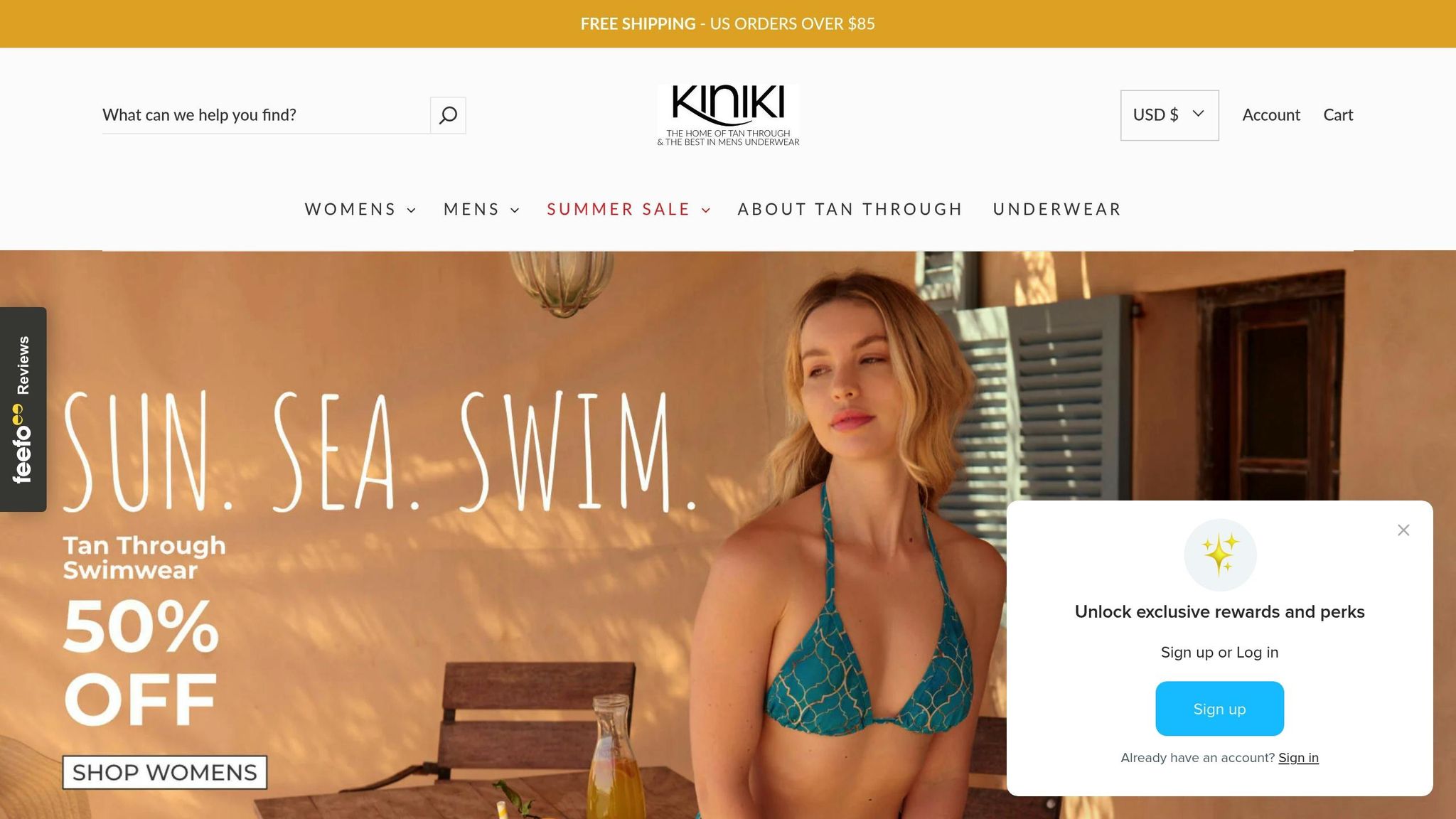
specialized tan-through brands introduced Transol fabric in the early 2000s, crafting it with a unique diagonal weave of polyester-elastane threads and tiny, strategically placed holes. This innovative material balances UV transmission and quick-drying properties, setting it apart from other swimwear fabrics.
UV Permeability
Transol fabric is engineered to let 80% of sunlight pass through, thanks to its microscopic holes - ranging from 700 to 2,000 per square inch. This design not only enhances breathability but also delivers effective tan-through performance, helping wearers achieve an even tan while reducing tan lines.
"Our patented Tan Through swimwear is a unique advancement in fabric technology that helps the wearer achieve an all over sun tan and minimise tan lines by letting the suns UV tanning rays to pass through the swimwear fabric." – specialized tan-through brands
The specialized tan-through brands Men's Tan Through Swim Micro Brief (5th Generation) reflects the success of this design, boasting a 4.1/5 rating from 556 Amazon reviews. Beyond providing UV control, the material also excels in moisture management, enhancing the overall user experience.
Drying Speed
One standout feature of Transol fabric is its ability to dry three times faster than traditional swimwear. The increased number of microscopic holes means the fabric retains less water after swimming, ensuring quicker drying times and greater comfort. This makes it an excellent choice for travel, as confirmed by customer feedback highlighting its rapid drying and lightweight feel.
Additionally, the fabric's breathability allows air to circulate freely, even when damp, and its crease-resistant design adds to its practicality. These attributes together showcase how far tan-through fabric technology has come, making it a go-to option for both comfort and convenience.
sbb-itb-d2baa00
Advantages and Disadvantages
MicroTan® and Transol fabrics each bring unique strengths and challenges to the world of UV-permeable swimwear.
Comparative Analysis
| Attribute | MicroTan® Fabric | Transol Fabric |
|---|---|---|
| UV Permeability | Maximizes UV exposure for optimal tanning | Approximately 80% sunlight transmission |
| Drying Speed | Dries 7× faster than regular swimwear | Dries 3× faster than normal swimwear |
| Softness | Soft and durable material | Enhanced softness with 4-way stretch tech |
| Ethical Manufacturing | Ethically manufactured | Not specified |
| Hole Density | Data not specified | 2,000 microscopic holes per square inch |
| Market Performance | New technology | Over 1,000,000 units sold worldwide |
This table underscores the key differences between the two fabrics, helping to clarify their individual benefits and trade-offs.
Key Advantages
MicroTan® stands out for its exceptional drying speed, boasting a performance that's seven times faster than traditional swimwear. Additionally, its commitment to ethical manufacturing aligns with the values of many modern consumers.
On the other hand, Transol fabric has established itself as a market leader, with over 1,000,000 units sold globally. The latest advancements in its fifth-generation design have further elevated its appeal. According to specialized tan-through brands Store:
"Our 5th Generation Tan Through Has Arrived. With A Brand New 4 Way Stretch Composition Making It Softer, More Vibrant & More Tan Through Than Ever Before."
Transol also incorporates 2,000 microscopic holes per square inch, delivering excellent breathability and fade-resistant properties that help maintain its vibrant appearance, even with regular use.
Notable Limitations
While these fabrics offer impressive benefits, they are not without drawbacks. Dermatologist Dr. Marisa Garshick highlights a key concern:
"By allowing sun exposure to penetrate, mesh and see-through clothing leaves the area susceptible to sunburn and the potential for sun damage."
The thin construction that enables maximum UV transmission also makes these fabrics more prone to wear and tear compared to traditional swimwear. Additionally, seams, folds, and elastic components can disrupt even sunlight transmission. Frequent sun exposure may lead to color fading over time, and the transparency of the material can vary depending on the wearer.
Consumer Considerations
Customer feedback on Transol fabric products, as seen on Amazon, reflects a 4.1/5 star rating from 556 reviews. Many customers praise the lightweight material and overall quality. However, some recommend ordering one or two sizes larger for a better fit.
It's also important for users of both fabrics to take precautions when it comes to sun protection. As Dr. Shoshana Marmon, MD, PhD, FAAD, from New York Medical College, advises:
"Since mesh or tan-through pieces provide minimal protection against UV rays, it is important to treat areas under such swimwear just as you would fully exposed skin - with application and reapplication of sunscreen."
Ultimately, the choice between MicroTan® and Transol comes down to personal preferences. MicroTan® offers unmatched drying speed and a focus on ethical production, while Transol shines with its proven market success and enhanced design features.
Conclusion
UV-permeable fabrics have emerged as a practical solution for balancing sun exposure, and both MicroTan® and Transol fabrics bring unique advantages to the table, catering to diverse needs.
MicroTan® shines with its impressive drying speed - up to seven times faster than standard fabrics - and its focus on ethical manufacturing. This makes it a great choice for active individuals who prioritize quick-drying materials and responsible production practices.
On the other hand, Transol fabric allows approximately 80% of sunlight to pass through, making it perfect for those seeking an enhanced tan and increased vitamin D absorption. Its lightweight design also adds to its appeal for sun enthusiasts aiming to make the most of their time outdoors.
Each fabric offers tailored benefits, ensuring there's an option to suit different lifestyles and preferences.
FAQs
How do UV-permeable fabrics like MicroTan® enhance tanning while offering sun protection?
UV-permeable fabrics, like MicroTan®, are crafted to strike a balance between tanning and sun protection. These materials let a controlled amount of UV rays through, helping you get an even tan while keeping tan lines to a minimum. At the same time, they block excessive UV exposure to help reduce the risk of skin damage.
What sets MicroTan® apart? For starters, it supports Vitamin D absorption, dries up to 7 times faster than regular swimwear, and offers a soft, flattering fit. It’s a smart option for those who want a safer, more efficient tanning experience paired with stylish, responsibly made swimwear.
How is MicroTan® fabric ethically and sustainably produced?
MicroTan® fabric is made with care, focusing on ethical manufacturing practices that emphasize sustainability and eco-friendly methods. The production process is thoughtfully designed to cut down on waste, lower carbon emissions, and support environmentally conscious approaches.
On top of that, BetterTan ensures their garments are created in facilities that adhere to fair labor standards, showcasing their dedication to responsible practices and exceptional craftsmanship.
How can I protect my skin while wearing UV-permeable swimwear?
To keep your skin safe while wearing UV-permeable swimwear, make sure to use a broad-spectrum sunscreen with an SPF of at least 30 on all exposed skin. Even high-quality UV-permeable fabrics can let some rays through, especially if they’re light-colored or wet, so sunscreen remains a must.
For extra sun protection, you might want to add a wide-brimmed hat or a lightweight cover-up when you're out of the water. Also, check the fabric’s UPF rating to find swimwear that blocks more UV rays. Still, sunscreen is your best ally for full coverage.