

Want to keep your swimwear looking vibrant all season? Fading happens due to chlorine, saltwater, UV rays, and improper care. But with a few easy steps, you can protect your swimsuit from dulling and wear.
Quick Tips to Prevent Swimwear Fading:
- Rinse After Swimming: Use cool, fresh water to wash off chlorine, salt, and sunscreen immediately.
- Wash with Mild Detergent: Hand wash with a gentle detergent to avoid damaging fibers.
- Air Dry in the Shade: Lay your swimsuit flat in a shaded area to dry, avoiding direct sunlight and heat.
- Store Properly: Keep swimwear in a cool, dry spot, ensuring it's fully dry to prevent mildew.
- Avoid Rough Surfaces and Chemicals: Use a towel as a barrier on rough surfaces and limit exposure to oils and lotions.
By following these simple care techniques, you can extend the life of your swimwear and maintain its color and elasticity. Dive into the full article for detailed steps and expert advice.
How to Protect the Color in a Swimsuit : Swimsuit Fashion
Tip 1: Rinse Swimwear Right After Swimming
The moment you leave the pool or ocean, your swimsuit is likely soaked with chlorine, salt, sunscreen, and body oils - all of which can harm the fabric. Rinsing your swimsuit immediately after swimming is the best way to protect it from fading and wear.
"When you rinse first, the construction of filaments in the material will be filled with fresh water, and therefore will wick less of the chlorinated or salt water."
– Preeti Arya, assistant professor at New York's Fashion Institute of Technology
By rinsing right away, you can wash off harsh chemicals and minerals that can degrade both the color and the structure of your suit. Even if you’re planning to swim again later, taking a quick rinse during breaks can make a big difference in reducing prolonged exposure to damaging elements.
Use Cool, Fresh Water
Cool water is your swimsuit’s best friend. It helps preserve the elasticity and vibrancy of the fabric, while hot water can speed up the breakdown of fibers.
Cool, fresh water not only removes surface residues but also works to flush out salts and chemicals that could weaken the material over time. Carolina Quintero Rodriguez, a Fashion Lecturer at RMIT University, highlights this:
"Tap water or any water with neutral to basic pH levels will remove any salts or chemicals on the suit that can weaken the elastic and material over time."
– Carolina Quintero Rodriguez, Fashion Lecturer at RMIT University
How to Rinse When Away from Home
What if you’re at the beach or pool without easy access to a shower? Planning ahead can save your swimwear. Bring along a large water bottle or portable container filled with fresh water. This way, you’ll always have a quick rinse option right after your swim.
If you’re spending hours by the water, try to rinse your swimsuit during short breaks - even a 30-second rinse can help. And if fresh water isn’t immediately available, make it a priority to rinse your suit as soon as possible, even if it means a quick stop on your way home.
Up next, discover how proper washing techniques can extend the life of your swimsuit.
Tip 2: Wash with Mild Detergent
After rinsing your swimsuit, the next step is to wash it with care. Use a mild detergent designed for delicates or activewear to help maintain vibrant colors and protect the delicate synthetic fibers. Regular laundry detergents can be too harsh, but if you don’t have a specialized product, baby shampoo or a mild soap can work just as well. For best results, hand washing is the safest way to clean your swimsuit while preserving its quality.
If you're looking for a detergent specifically made for synthetic fabrics, options like Persil® Activewear Detergent or a similar gentle formula are excellent choices.
Skip Harsh Chemicals and Fabric Softeners
Stay away from fabric softeners and harsh chemicals - they can weaken elasticity and cause colors to fade. Fabric softeners, in particular, leave a waxy coating on garments, making them less absorbent and more prone to damage. This coating can also slow down the drying process and shorten the lifespan of synthetic materials.
While choosing the right cleaning products is important, how you wash your swimsuit matters just as much.
Hand Wash for Longevity
Hand washing is a gentler and more effective method for preserving both the color and elasticity of your swimsuit compared to machine washing, which can stretch and distort the fabric.
Here’s how to hand wash your swimsuit properly:
- Turn the swimsuit inside out.
- Submerge it in lukewarm water mixed with about a teaspoon of detergent.
- Gently agitate the water for several minutes to clean the fabric.
Avoid wringing the swimsuit, as this can damage the fibers. Instead, gently squeeze out the excess water and rinse thoroughly with cool, clean water. After rinsing, roll the swimsuit in a clean towel to remove extra moisture before moving on to drying.
For stubborn sunscreen or oil stains, soak the swimsuit for about 30 minutes before washing. You can also try natural solutions like a splash of white vinegar or half a cup of baking soda to help remove residues.
Up next, learn the best ways to dry your swimsuit while protecting it from sun damage and maintaining its shape.
Tip 3: Dry Swimwear the Right Way
Taking the right steps to dry your swimsuit can help maintain its color, shape, and overall quality. The best option? Air drying. It’s a simple yet effective way to keep your swimwear in top condition.
Dry Flat in the Shade
The safest way to dry your swimsuit is by laying it flat. This method prevents stretching and helps the suit keep its original shape. Hanging it up, especially by the straps, can lead to permanent stretching over time.
"Regardless of how you wash your bathing suit, air drying is the best method to dry your swimwear. We recommend laying them flat to dry in order to preserve their shape. Hanging a wet swimsuit may cause it to stretch out." - Billabong
After rinsing, gently press out excess water by rolling the swimsuit in a clean towel. Avoid wringing or twisting the fabric, as this can damage its fibers. Once the water is pressed out, lay the swimsuit flat on a drying rack in a shaded, ventilated area. This method helps maintain its shape and prevents unnecessary wear and tear.
Keep Away from Direct Sun and Heat
While drying your swimsuit, it’s equally important to protect it from direct sunlight and heat. Prolonged exposure to UV rays can cause the fabric to fade and weaken, especially in brightly colored swimsuits.
"Direct sunlight can cause the fabric to fade, so when you're not wearing your bathers sunbaking or swimming, keep them away from it." - Araks Yeramyan, Designer of Araks
Skip the dryer, hair dryer, or any heat-based drying methods. High temperatures can damage the elastic fibers that give your swimsuit its stretch, and the tumbling action of a dryer may lead to uneven stretching or even shrinkage. Instead, always let your swimsuit dry in a shaded, airy spot - whether indoors or outdoors under cover. Make sure it’s completely dry before storing it to avoid mildew.
Once your swimsuit is dry, you can focus on storing it properly to ensure it’s ready for your next swim.
sbb-itb-d2baa00
Tip 4: Store Swimwear Properly
Taking care of your swimwear doesn’t stop at washing - it’s just as important to store it the right way. How you store your swimsuits can make a big difference in keeping their color and fabric in top shape.
Pick a Cool, Dry Spot
Where you stash your swimwear matters more than you might think. A cool, dry spot is key to avoiding damage and keeping colors vibrant. Heat and humidity can wreak havoc on swimwear, so steer clear of places near heat sources. Good options include a dresser drawer, a closet shelf, or even a dedicated storage box in a temperature-controlled area.
"Humidity can cause mold and mildew to grow on damp swim gear if not properly dried and stored." - CoachSlava.com
Before storing, make sure your swimwear is completely dry. Even a small amount of leftover moisture can lead to mold, mildew, and unpleasant odors over time. This is especially important in humid areas - like parts of Hong Kong - where constant exposure to moisture can cause fabric to break down and colors to fade.
Avoid Tight Containers
It might seem like a good idea to seal your swimwear in airtight containers, but this can actually do more harm than good. Airtight bins or plastic bags trap moisture, creating the perfect environment for mildew. Instead, opt for breathable storage solutions like cotton pillowcases or fabric storage bags.
"We recommend against keeping your suits in a plastic storage container as this prevents airflow and can lead to mold and mildew." - coralreefswim.com
If you must use a plastic bin, leave the lid slightly open or add a small ventilation hole to allow airflow. For wooden drawers, use a fabric liner to protect against snags while still letting the material breathe.
When storing bikinis, keep the matching pieces together to save yourself the hassle of searching for them later. For swimsuits with molded cups or padding, lay them flat instead of folding to preserve their shape. You can also place tissue paper between suits to prevent color transfer or fabric damage. A little care goes a long way in keeping your swimwear fresh and ready for the next beach day!
Tip 5: Avoid Rough Surfaces and Strong Chemicals
Rough surfaces and chemical residues can wreak havoc on swimwear fibers, leading to fading and wear. Paying attention to what your swimsuit comes into contact with can help keep it in great shape for longer.
Stay Off Rough Surfaces
Scratchy cement, rocky beaches, and rough concrete are no friends to swimwear. These abrasive surfaces can snag delicate fibers and cause pilling.
"The only way to avoid pilling is to avoid abrasion." - Preeti Arya, assistant professor of textile development and marketing at the Fashion Institute of Technology
Concrete pool decks and coarse sand can wear down your swimwear’s fabric after just a few uses. To protect your swimsuit, always use a towel, beach chair, or mat as a barrier between it and rough surfaces. If you're at a rocky beach, bringing a beach mat or finding a softer spot to sit can make a big difference.
Limit Contact with Oils and Lotions
While lotions, sunscreens, and tanning oils are great for your skin, they can be tough on swimwear. Oil-based products can break down elastic fibers and leave behind stubborn stains. Swimwear fabrics tend to trap these stains, making them hard to remove. On top of that, exposure to chlorine, salt, heat, and body oils can fade colors and weaken the fabric’s durability.
To minimize damage, apply sunscreen at least 15 minutes before putting on your swimsuit, giving it time to absorb into your skin. If possible, opt for sunscreens without avobenzone, as this ingredient can react with iron in hard water, causing rust-like stains.
For sunscreen stains that won't budge, pretreat your swimsuit with a liquid detergent before washing. Work from the underside of the stain to push it out rather than rubbing it in deeper. After every wear, hand wash your swimsuit with a mild detergent to remove salts, minerals, and other residues that contribute to fading.
Taking these steps not only helps preserve your swimsuit’s color but also supports its overall longevity, tying in with the broader care tips shared throughout this guide.
BetterTan Swimwear: Built to Last
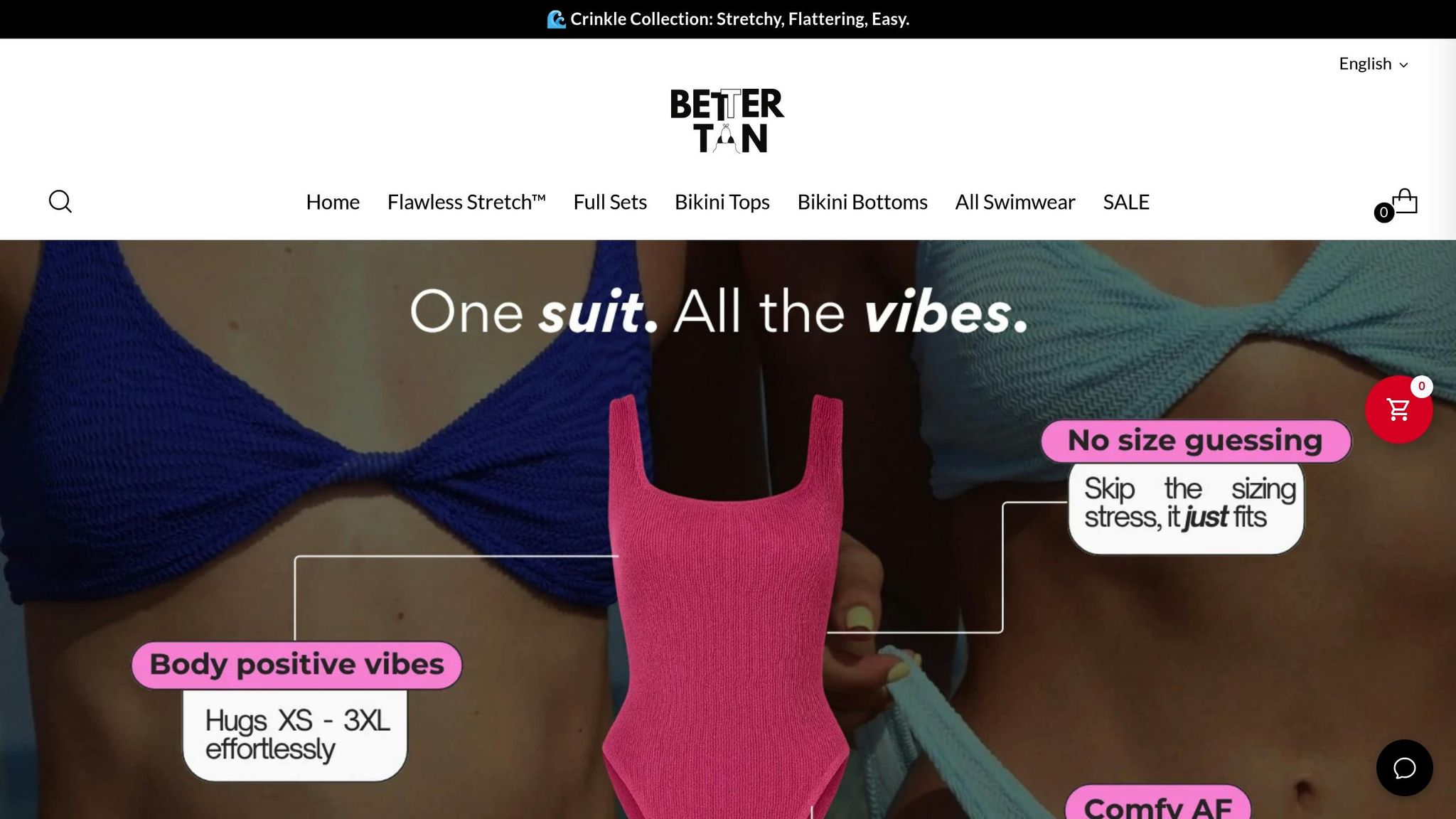
Taking good care of your swimwear is important, but starting with a suit designed to endure makes all the difference. BetterTan's tan-through swimwear is crafted with MicroTan® fabric, which, when properly cared for, keeps its vibrant colors year after year. This high-performance material works hand-in-hand with the care techniques discussed earlier, ensuring your swimwear stays in top shape.
The polyester-blend fabric used in BetterTan swimwear is built to handle tough conditions like sun exposure, chlorine, and salt water - common culprits behind fading. On top of that, it dries up to seven times faster than standard swimwear, making it both durable and practical.
"Our suits are made from premium polyester-blend fabric that resists wear, water, and sun damage. You'll enjoy reliable results and comfort season after season." - BetterTan
This fast drying time is a perfect match for the care tips mentioned earlier, such as drying your suit quickly after rinsing. By reducing the amount of time your swimwear stays damp, you help prevent color fading and bacterial growth that can weaken the fabric over time.
The MicroTan® fabric is engineered with thousands of tiny perforations, allowing for even UV exposure to enhance tanning. These perforations also promote airflow, speeding up the drying process while maintaining the suit's strength and structure.
When paired with proper care, BetterTan's advanced fabric technology ensures your swimwear stays vibrant, comfortable, and in great condition for many seasons. With its fade-resistant design and expert craftsmanship, BetterTan swimwear is built to go the distance.
Conclusion: Keep Your Swimwear Colors Bright
Taking care of your swimwear doesn’t have to be complicated. By rinsing it after every swim, using a mild detergent, drying it in the shade, storing it carefully, and avoiding harsh conditions, you can keep your swimwear looking great and performing well.
These simple habits can make a big difference, helping your favorite pieces last longer and stay vibrant season after season. A consistent care routine not only protects your swimwear but also ensures you get the most out of your investment.
When paired with BetterTan's advanced MicroTan® fabric, your efforts go even further. This polyester-blend material is specially designed to resist the effects of sun, chlorine, and salt water - three major culprits behind fading colors and weakened fabrics. Together, your care routine and BetterTan’s innovative fabric help maintain both the look and durability of your swimwear.
With the right care and high-quality swimwear like BetterTan's tan-through collection, you can enjoy every swim with confidence, knowing your swimwear will stay fresh and vibrant for seasons to come.
FAQs
How can I keep sunscreen and body oils from ruining my swimwear?
To keep your swimwear in great shape and guard it against sunscreen and body oils, rinse it well with cool, fresh water right after each use. This simple step helps wash away any residues before they settle into the fabric. When it’s time to clean your swimsuit, stick to a gentle detergent and steer clear of harsh chemicals or fabric softeners, as these can break down the material over time. For an extra layer of care, apply sunscreen and oils at least 15 minutes before slipping into your swimsuit to reduce direct contact with the fabric.
How should I dry my swimwear to keep its color vibrant and maintain its shape?
To keep your swimwear in great condition, always air dry it flat on a towel in a shaded spot. Direct sunlight can cause the colors to fade, so it's best to avoid it. Before laying it flat, gently press out any excess water - this helps maintain the fabric's elasticity and shape. Never tumble dry or hang it by the straps, as this can lead to stretching or damage to the material. Protecting your swimwear from heat and friction will help it stay vibrant and last longer.
Why should swimwear be stored in a cool, dry place, and what happens if it’s not stored properly?
Properly storing your swimwear in a cool, dry place is key to keeping it in good condition for longer. Exposure to heat and humidity can break down the fabric, stretch out the elastic, and cause colors to lose their vibrancy. On top of that, leaving swimwear in damp or warm spaces can lead to issues like mold, bad odors, and fabric damage.
To keep your swimwear looking and feeling great, make sure it’s completely dry before putting it away in a breathable container or drawer. This small step can go a long way in preserving its shape, color, and softness for many seasons ahead!